
Home Theatre Installation Near you: TV Mounting & Setup Guide


Creating a home theatre is about more than placing a TV and adding speakers. The screen, sound system, cables, streaming devices, and room layout all need to work together. Home theatre installation near you can bring these pieces together while keeping the setup clean and easy to use.
Professional installation may include TV mounting, projector mounting, soundbar and speaker installation, cable concealment, AV receiver connections, streaming device setup, and smart-home integration. Whether you are upgrading a living room or creating a dedicated entertainment space, proper planning can make the entire setup more functional.
Start With Your Room and Viewing Area
Every home has a different layout, so the installation should fit the space. Before choosing equipment, look at the main seating area, wall space, lighting, power outlets, and available connections.
The TV should be positioned where it can be viewed comfortably from the main seating area. Furniture placement should also be considered so the screen does not feel too high, too low, or out of place.
For homeowners planning Tv mounting in Washington, DC, the room layout is an important starting point. Apartments, townhomes, and larger homes can all have different installation needs.
The wall itself should also be checked before mounting. Drywall, wood studs, brick, concrete, and other surfaces may require different mounting hardware and installation methods.
Choose Between a TV and Projector
A TV is a popular choice for home theatres because it provides a bright, clear picture and works well in many room sizes. A projector can be a good option when the goal is a larger viewing image.
The right choice depends on the room, viewing habits, available wall space, and desired setup. A professional installer can help position either option correctly and connect it with the rest of the entertainment system.
Projector installation can also involve mounting the projector in a suitable location and connecting it to the necessary equipment.
Plan the TV Mounting Carefully
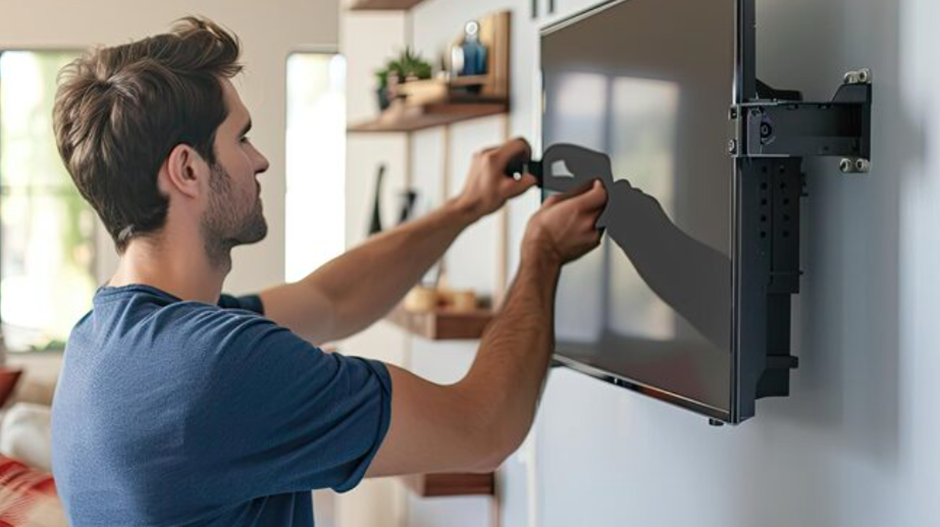
TV mounting is one of the most visible parts of a home theatre setup. The mount should match the TV's size, weight, and VESA pattern. The wall and desired viewing position should also be considered.
Fixed, tilting, and full-motion mounts provide different benefits. A fixed mount keeps the screen close to the wall. A tilt mount allows some angle adjustment, while a full-motion mount gives more flexibility for rooms with multiple seating positions.
Homeowners looking for TV mounting near Alexandria, VA may also need cable concealment, soundbar installation, or connections for streaming and gaming devices. Planning these services together can create a more organized entertainment area.
Build the Right Sound System
Good home theatre sound depends on more than simply adding speakers. Speaker location, seating position, room size, and equipment connections all affect the final setup.
A smaller entertainment area may work well with a soundbar, while a larger room may benefit from surround sound, in-wall speakers, or in-ceiling speakers.
An AV receiver can connect different audio and video components and help bring the system together. Professional installation can include connecting the receiver, speakers, TV, projector, and other equipment.
Keep Cables Hidden and Organized
A home theatre can require several cables. HDMI cables, speaker wires, Ethernet connections, and power cables may connect the TV or projector with other devices.
Cable concealment can help maintain a cleaner appearance. Where suitable, compatible cables can be routed through the wall. Other connections can be organized so they remain accessible without creating unnecessary clutter.
Cable planning should happen before mounting the TV or other equipment. This makes it easier to determine where each connection needs to go.
Connect Your Entertainment Devices
A complete home theatre often includes several devices. Streaming players, gaming consoles, cable boxes, and audio equipment may all need to connect to the main display. Professional setup can help organize these connections and make switching between different sources easier.
Common setup services may include:
TV and projector mounting
Streaming device connections
HDMI connections
Soundbar installation
Speaker and surround-sound installation
AV receiver connections
Basic system testing
Testing the equipment after installation can also help confirm that the main components are working together correctly.
Consider Your Smart-Home Setup
Home theatre equipment can be part of a larger connected home. Some homeowners may also have smart cameras, video doorbells, smart locks, or other technology installed around the property.
Smart-home integration can help these devices work alongside other technology when compatible. Planning the locations and connections together can also help keep the space organized.
The same principle applies to entertainment equipment. A TV, speakers, streaming devices, and other components should have enough space and suitable connections.
Plan Installation around Your Needs
A home theatre does not need to look the same in every home. Some people mainly watch movies and shows, while others use the space for gaming, sports, music, or streaming.
For homeowners searching for TV mounting in Annapolis, MD, the installation can be planned around the equipment already owned and the type of entertainment the household enjoys.
Similarly, TV installation services in Maryland may include different combinations of mounting, cable management, audio setup, streaming connections, and testing depending on the room. The most useful setup is one that fits the way the space will actually be used.
Complete the Setup with Professional Testing
After the equipment has been installed and connected, the system should be checked. The TV or projector can be tested along with the soundbar, speakers, streaming equipment, HDMI connections, and other components included in the installation.
Testing can also help identify connection issues before the homeowner starts using the system regularly. A final check gives homeowners a chance to make sure the screen is positioned correctly, the audio works as expected, and the main devices are ready to use.
FAQs
What does a home theatre installation service typically include?
It can include TV or projector mounting, soundbar and speaker installation, surround sound,
AV receiver connections, cable concealment, streaming device connections, and basic system testing. Services depend on the equipment and needs of the room.
How do I choose the right home theatre installation service near me?
Look for a service that can handle the type of equipment you plan to install. Consider TV mounting, projector installation, audio setup, cable concealment, device connections, and any smart-home features you may need.
Is professional TV mounting included with home theatre installation?
TV mounting can be included when it is part of the requested home theatre setup. The installation may also include cable management, soundbar connections, speakers, streaming devices, and other equipment.
What is the ideal TV size and viewing distance for a home theatre?
The right TV size depends on the room and viewing distance. Consider the seating position, available wall space, and how close viewers will sit before choosing the screen size.
Should I choose a TV or projector for my home theatre?
A TV can work well in many rooms and provides a bright display. A projector may be suitable when you want a larger image. Room size, lighting, viewing needs, and available space can help determine the right option.
How can professional installation improve home theatre sound quality?
Professional installation can help position soundbars and speakers based on the room and seating area. It can also ensure speakers and AV equipment are connected properly.
Can home theatre installers hide TV and speaker cables?
Yes, cable concealment can be part of a home theatre installation. Depending on the wall and cable requirements, suitable wires may be routed through the wall or organized using other cable-management methods.
Can a home theatre system be integrated with smart home devices?
Compatible smart-home devices can be incorporated into a broader technology setup. Services may include smart cameras, video doorbells, smart locks, and other connected devices.
How long does a typical home theatre installation take?
Installation time depends on the size of the system, number of devices, wall type, mounting requirements, cable concealment, and audio setup. A simple installation generally requires less work than a complete theatre system.
What should I prepare before a home theatre installation?
Know where you want the main seating area, TV or projector, and entertainment equipment. It is also useful to identify existing devices, preferred viewing locations, power outlets, and any cable-concealment needs.
Turn Your Room into a Complete Entertainment Space
At CMTV Mounting, we bring your home theatre plans together with professional installation and setup. We handle TV and projector mounting, soundbar and speaker installation, surround sound, cable concealment, streaming connections, AV equipment setup, and compatible smart-home services.
We work with your room and equipment to create a clean, connected setup designed around the way you enjoy your home. Ready to upgrade your entertainment space? Choose CMTV Mounting and let us bring your home theatre setup to life.


Comments